
In 2020, the EU economy recorded a recession of 9.8%. As can be seen from the graph above, the Spanish economy contracted by 10.8%, followed by the Italian (-8.9%), the Greek (-8.2%), the French (-8.2%), the Portuguese (-7.6%) and the German (-4.9%) economies.
Last spring, the European Commission predicted a strong recovery in 2021, with stabilisation from 2022 onwards. The Commission's recent summer forecasts are slightly more optimistic, projecting a recovery of 4.8% for the EU as a whole in 2021 (compared to 4.2% in the spring forecast) and 4.5% for 2022 (4.4% in the spring forecast). The pace of recovery varies between economies, but the forecast is more optimistic for all EU economies. More specifically, in 2021, the Commission predicts growth of 6.2% for Spain (compared to 5.9% in the spring forecast), 5% for Italy (vs. 4.4%), 4.3% for Greece (vs. 4.1%) and 3.6% for Germany (vs. 3.4%). The forecast for 2022 is also more optimistic, but not for all economies. In particular, the Commission expects lower growth for Spain (6.3% compared to 6.8% in the spring forecast) and Italy (4.2% vs. 4.4%), but higher growth for Germany (4.6% compared to 4.1% previously).
Optimism about the medium-term recovery of the Greek economy remains high. Growth in 2022 is projected at 6%, and it has not been revised in the summer forecast. The optimism about the prospects of the Greek economy can be attributed to the Recovery and Resilience Plan, which is expected to boost domestic demand, the main driver of growth for the next two years. On the other hand, as the Commission itself notes, the environment remains uncertain and potential risks stem from the speed of the private sector's recovery following the lifting of the support measures. This should be done very carefully to avoid bankruptcies and adverse effects on the labour market.
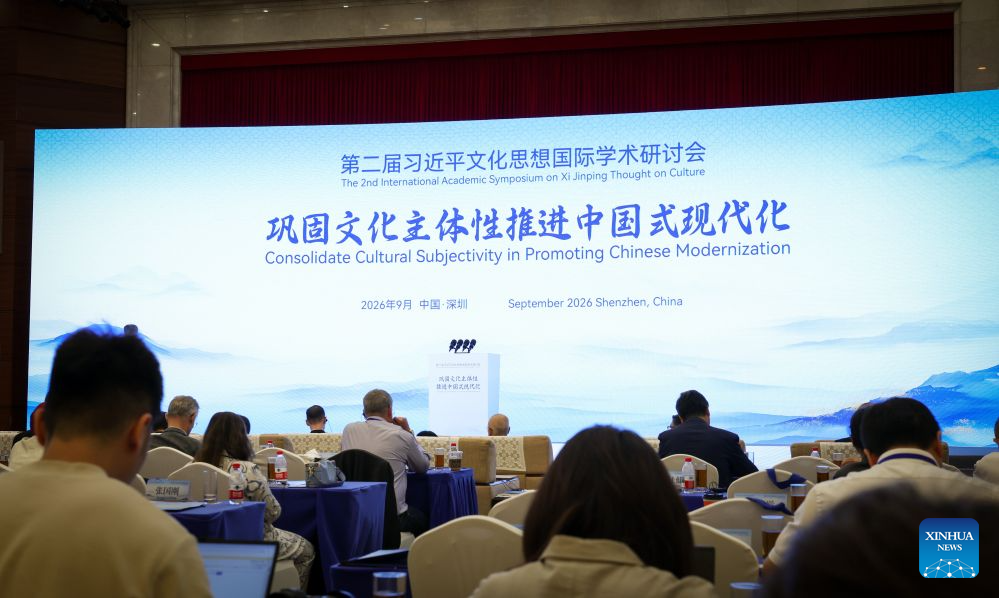
Durning the 2026 Shanghai Cooperation Organization Media and Think Tank Summit, Xinhua Institute, a think tank affiliated with Xinhua News Agency, released "Upholding Fairness and Justice and Improvi
 English
 注册
注册


 首页
首页
 动态信息
动态信息
 交流活动
交流活动
 研究成果
研究成果
 成员信息
成员信息
 联系我们
联系我们